

Quick Summary
A professional debris removal service is the right choice when a cleanup is too large, too heavy, or too time-sensitive to handle yourself. Ask how much material there is, how heavy it is, and how much time you have. Get an itemized written quote with disposal fees included, and confirm insurance before booking.
- Count the volume and weight of your debris before choosing a provider.
- Junk removal suits one-visit jobs; dumpster rental suits longer projects you load yourself.
- Concrete and masonry are heavy and often priced differently from household junk.
- Compare quotes line by line, since a low headline price may exclude disposal fees.
- Request a certificate of insurance and confirm the policy is active before any work begins.
Table of Contents
- Deciding Whether You Need a Debris Removal Service or Your Own Crew
- Junk Removal vs Dumpster Rental: Which Fits Your Job
- Construction Debris Removal: What Crews Can Haul and What They Cannot
- How Debris Removal Services Price Their Work
- Building a Debris Removal Quote Checklist Before You Book
- Verifying Licensing, Insurance, and Liability Coverage
- Booking Your Debris Removal Service and Confirming Disposal Practices
- Frequently Asked Questions
Deciding Whether You Need a Debris Removal Service or Your Own Crew
Hiring a professional debris removal service makes sense when the job is bigger than a weekend trip to the dump. Homeowners and contractors often weigh this choice when a cleanup gets bigger than they expected.
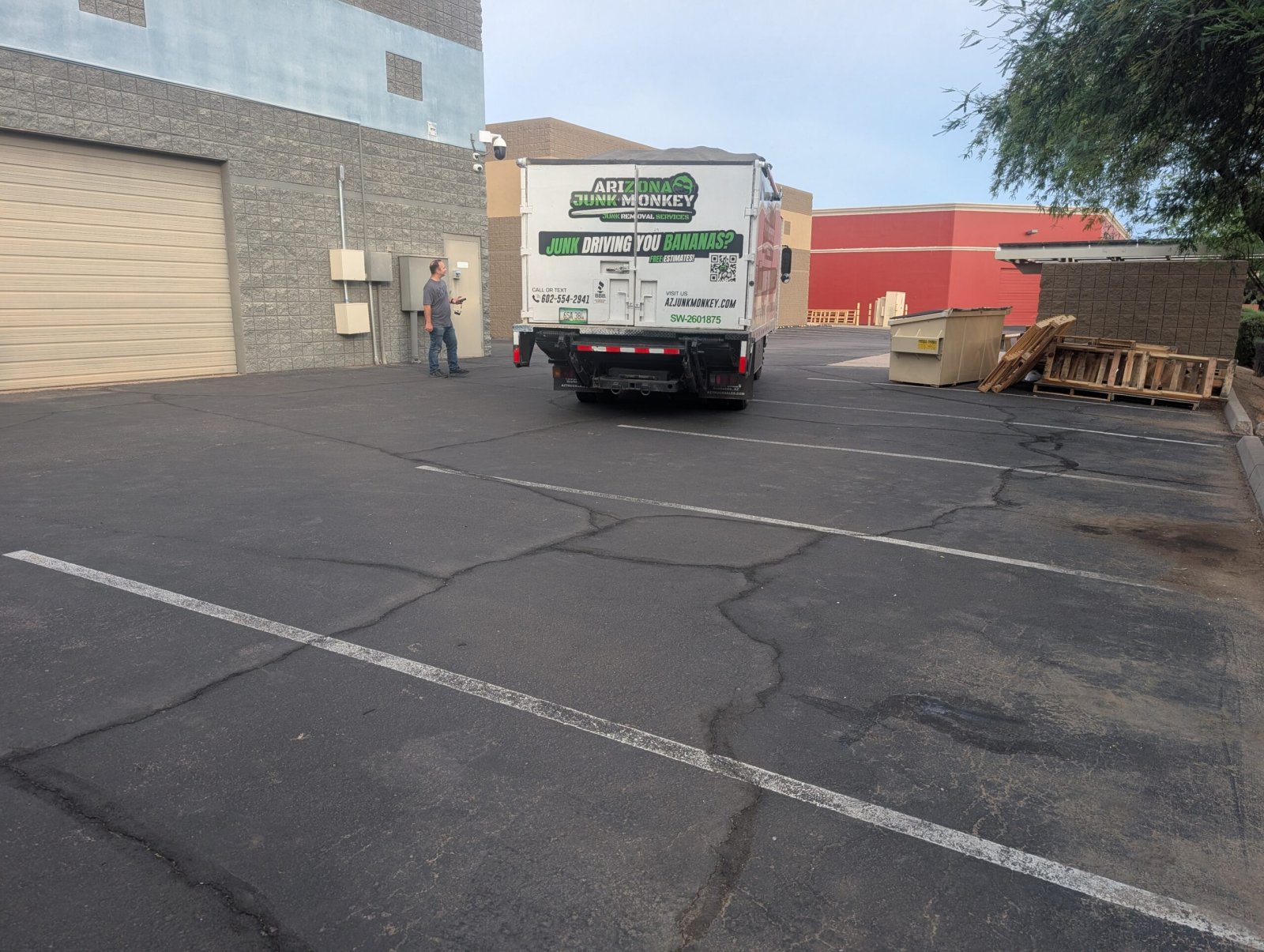
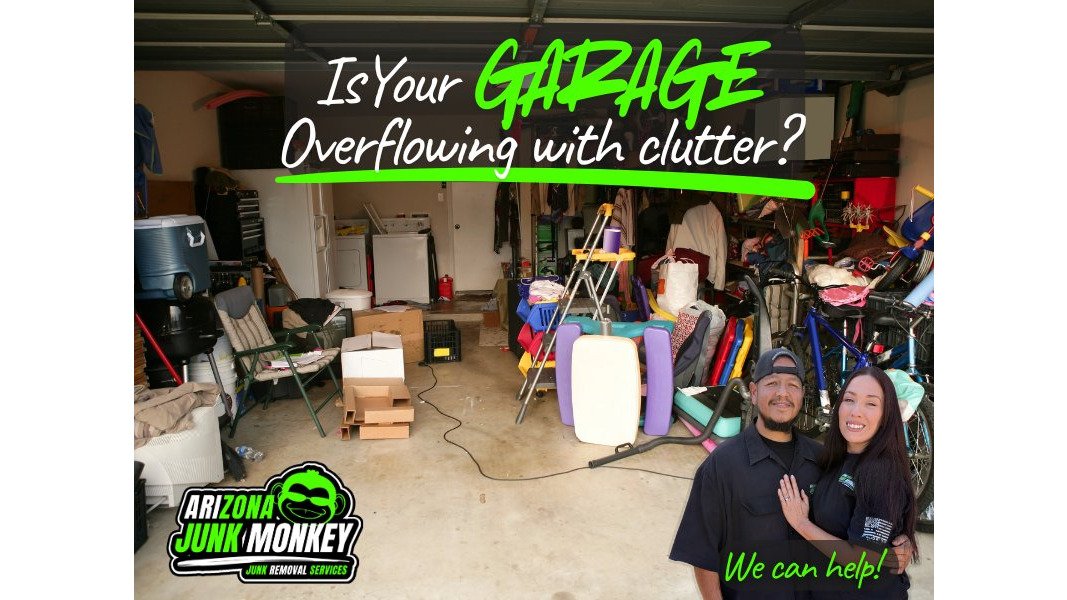
Ask yourself three questions first. How much material is there? How heavy is it? How much time do you have? A few bags of yard waste you can drive to the transfer station yourself. A garage full of old appliances, a fridge that needs two people to move, or a property cleanout with a deadline is a different job.
A common mistake is underestimating volume. People often picture a pickup load and end up with three trips and a sore back. Walk through the space and count what you have before you decide.
Junk Removal vs Dumpster Rental: Which Fits Your Job
Junk removal means a crew comes to your property, loads everything, and hauls it away. A dumpster rental means you fill a container yourself over several days and the company picks it up. Both can work, but they suit different jobs.
Junk removal fits best when you want the work done in one visit and do not want to handle heavy items. It also suits mixed loads, such as furniture, appliances and boxes together. Dumpster rental fits better when you have a long project, a driveway with room for a container, and the time to load it yourself.
Watch out: Dumpster rentals often carry weight limits and restrictions on certain materials. Overloading a container can mean extra fees, so ask what is excluded before you order.
Construction Debris Removal: What Crews Can Haul and What They Cannot
Construction debris includes drywall, lumber, concrete, tile and roofing material. Many professional services handle these, but rules vary by company and by disposal site. Hazardous materials such as paint, solvents, asbestos and certain batteries usually require special handling and are often excluded.
If you are a contractor, tell the service exactly what you have before booking. Mention whether the load includes concrete or heavy masonry, because those materials weigh far more than household junk and affect price. Ask which items they will not take.
How Debris Removal Services Price Their Work
Most debris removal companies price a job one of three ways: by volume (how much of the truck or container the load fills), by weight (what the disposal site charges at the scale), or by a flat rate for a defined scope. Ask which method a provider uses before you compare numbers, because a volume quote and a weight quote for the same pile can look very different.
Several inputs typically affect the final amount:
- Volume and weight. A pickup bed of cardboard and a pickup bed of concrete tile occupy the same space but do not weigh the same. Concrete, masonry, dirt and roofing shingles are heavy and are often priced differently from household junk.
- Access and carry distance. A pile at the curb is cheaper than a pile in a basement, up two flights, or 150 feet from where the truck can park. Long carries and stairs add labor time.
- Item type. Appliances that contain refrigerant, mattresses, tires, and electronics often carry a per-item surcharge because disposal sites handle them differently.
- Disposal and dump fees. The company pays a tipping fee at the transfer station or landfill, and that cost is passed through. Fees vary by material and by facility.
- Timing and urgency. Same-day and weekend jobs sometimes carry a premium; scheduling a few days out usually does not.
A quote should break out labor, loading, disposal fees, and any surcharges so you can see what you are paying for. To judge whether a quote is reasonable, compare it against current average cost benchmarks for junk removal services. When you compare two estimates, compare them line by line against the same itemized list. A lower headline number that excludes dump fees or stair charges is not actually lower.
Watch out: a firm price given over the phone without photos or a site visit is a guess, and it is often revised upward on arrival. Reputable providers typically ask for photos and a detailed inventory or schedule a quick walkthrough before committing to a number.
The article breaks down the main factors that shape a debris removal quote:
| Factor | What it affects | Note |
|---|---|---|
| Volume and weight | Total cost | Concrete and masonry are heavier and priced differently |
| Access and carry distance | Labor time | Stairs and long carries add charges |
| Item type | Per-item surcharges | Appliances, mattresses, tires and electronics often carry surcharges |
| Disposal and dump fees | Passed-through cost | Fees vary by material and facility |
| Timing and urgency | Premium rates | Same-day and weekend jobs may cost more |
Building a Debris Removal Quote Checklist Before You Book
Before you accept a quote, confirm these points in writing:
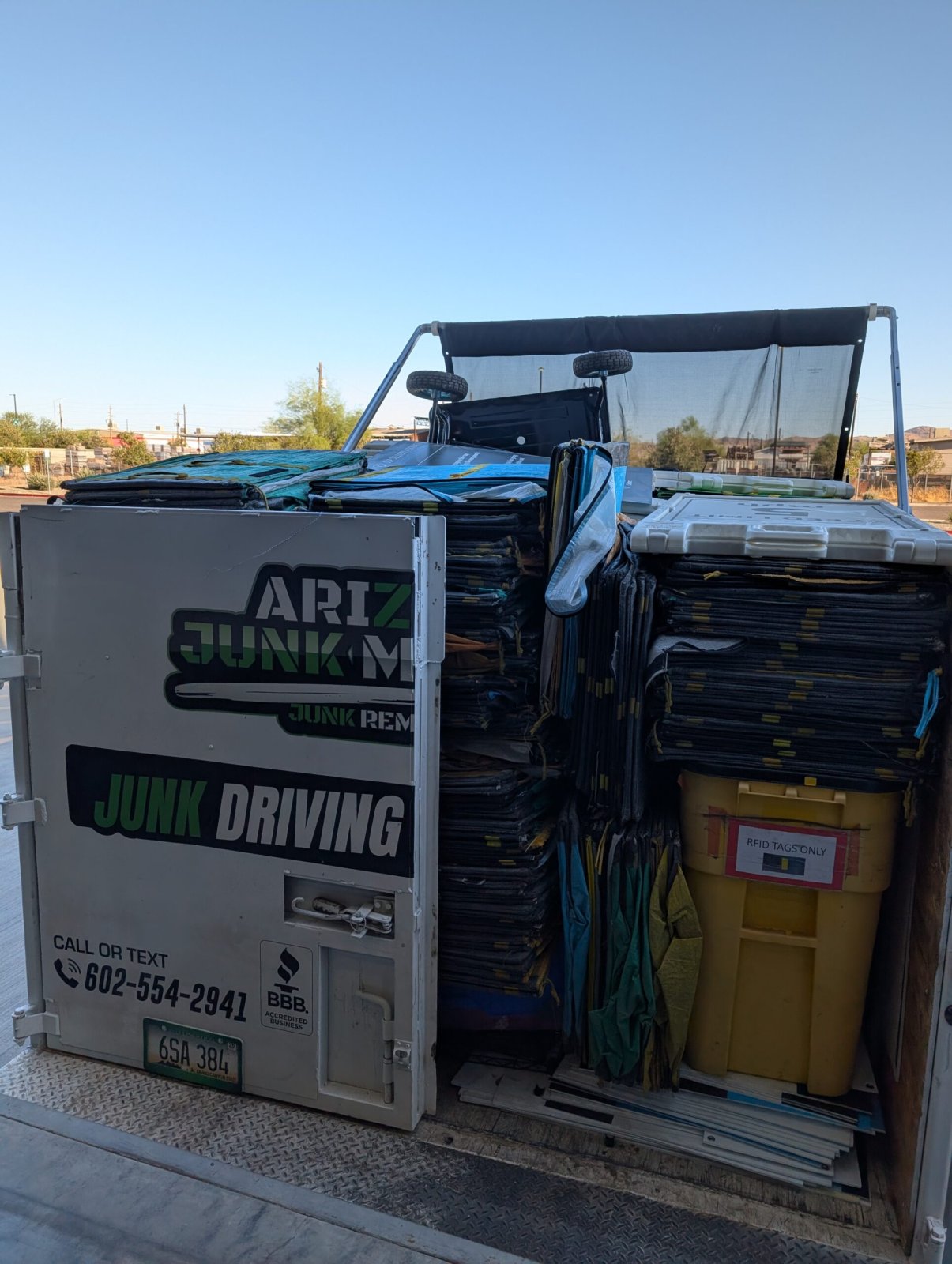
- A full list of the items being removed
- Whether labor, loading and disposal fees are included
- Any extra charges for stairs, heavy items or long carries
- Whether the crew will sweep the area after loading
- The disposal method and whether items are recycled or donated
Compare quotes using the same list of items so the numbers line up. A cheap quote that leaves out disposal fees often costs more at the end.
Verifying Licensing, Insurance, and Liability Coverage
Debris removal sits at the intersection of hauling, construction cleanup, and waste disposal, so the paperwork you should ask for depends on the work. Before anyone touches your property, request three things and confirm each one is current.
1. General liability insurance. Ask for a certificate of insurance (COI) showing the policy is active and naming the coverage limits. General liability responds when a crew damages your driveway, fence, siding, or landscaping. Call the insurer’s number on the certificate to confirm the policy is in force, a certificate alone can be outdated or altered.
2. Workers’ compensation coverage. If a crew member is injured on your property and the company does not carry workers’ comp, the claim can come back to you as the property owner. Ask for the workers’ comp carrier and policy number, and confirm it covers the state where the work happens.
3. Business registration and any required hauling or waste permits. Many jurisdictions require a registered business entity, and some localities require a waste hauler permit or business license to transport debris. Ask for the registration and, where applicable, the hauler permit number.
Then confirm who is responsible for what. A written service agreement should state who carries the insurance, how disposal will be handled, and how the company responds if something is damaged. If a provider cannot produce a COI or workers’ comp documentation on request, treat that as a stop sign rather than a paperwork delay.
Watch out: a low quote from an uninsured operator can become your liability the moment a crew member is hurt or a truck backs into a garage door, the savings rarely cover the exposure.
Booking Your Debris Removal Service and Confirming Disposal Practices
When you book, confirm the date, arrival window, access instructions and the full scope of work. Ask how the material will be disposed of.
Call or text Arizona Junk Monkey Removal Services today for a no-obligation estimate, and we will walk you through the process from quote to cleanup.
Ready to clear your space? Arizona Junk Monkey Removal Services is a local, family-owned, licensed and insured team serving the Northwest Valley. Call or text today for a free estimate on removal, cleanouts or dumpster rental.
Frequently Asked Questions
How do I choose a professional debris removal service?
Start by checking that the company is licensed and carries general liability and workers’ compensation insurance, and ask for a certificate of insurance before the crew arrives. Request written, itemized quotes from at least two providers, and confirm whether the price includes labor, loading, transport, and disposal fees. Ask how the company sorts and recycles materials and whether it donates usable items. A provider that answers these questions directly and in writing is usually a safer choice than one that gives a verbal price over the phone.
How much does professional debris removal cost?
Pricing depends on the volume of material, how far it must be carried, whether heavy items like concrete or lumber are included, and the disposal fees at the receiving facility. Many providers price by truckload or by the cubic yard, so the final amount can vary widely between jobs. Because pricing depends on quantity, timing, and site access, ask for an on-site or photo-based estimate and check Arizona Junk Monkey Removal Services’s website or call for a current quote tailored to your project.
Should a business hire a debris removal service or rent a dumpster?
A dumpster works well when your crew can load it themselves on a schedule that suits the project and the material is mostly non-hazardous. A removal service makes more sense when you lack labor, need heavy items lifted and hauled, or want the site cleared in one visit. Compare the total cost of renting the container, paying your staff for loading time, and any delays from waiting on swaps against the lump-sum price of a full-service crew. Mixed loads of furniture, appliances, and construction waste often favor a service.
Can a debris removal company take construction debris?
Many removal services handle common construction debris such as drywall, lumber, tile, flooring, and fixtures, but policies differ on concrete, roofing, and hazardous materials like paint or asbestos-containing products. Ask the provider which materials it accepts before booking and whether any items require separate disposal. Confirm the scope in writing so you are not surprised by extra charges when the crew arrives on site.