
Table of Contents
- Why Estate Cleanout Timeline Planning Matters
- How Long Does an Estate Cleanout Take
- Create Your Estate Cleanout Checklist
- Setting a Realistic Timeline for Your Cleanout
- Hiring Professional Junk Removal for Estates
- Handling Family Coordination and Conflict Resolution
- Tax and Legal Considerations During Cleanout
- Conclusion
- Frequently Asked Questions
Last Updated: September 18, 2026
Why Estate Cleanout Timeline Planning Matters
Managing an estate cleanout is one of the most emotionally and logistically complex tasks a family faces. Without a clear plan, the process becomes overwhelming, decisions pile up, family members disagree, and what should take days stretches into months. The right estate cleanout timeline transforms chaos into manageable steps.
Planning ahead prevents costly mistakes. You avoid rushing through decisions about sentimental items, missing tax deadlines on donations, or hiring the wrong service provider at inflated rates. Most families underestimate how long the process takes. What looks like a weekend project often requires 6-12 weeks when you factor in sorting, categorizing, legal requirements, and proper disposal logistics.
At Arizona Junk Monkey Removal Services, we understand the complexities of this process. The families who succeed are those who establish a realistic timeline upfront and stick to it. They know what happens each week, who’s responsible for what, and when professional help arrives.
A solid estate cleanout timeline prevents family conflict, protects your legal interests, and ensures nothing of value gets discarded by accident.
How Long Does an Estate Cleanout Take
The total duration depends on several factors: the size of the property, how many items need sorting, whether legal documents are involved, and how many family members must agree on decisions. Most estates take between 6 and 12 weeks from start to finish.
Here’s what affects your timeline:
- Property size: A 2,000 sq ft home typically takes 8-10 weeks; larger estates or multiple properties add 4-6 weeks each
- Item volume: Heavily cluttered homes require extra sorting time
- Sentimental items: These slow the process significantly because emotional decisions take longer
- Family coordination: More heirs mean more meetings and consensus-building
- Legal complexity: Probate involvement can add 4-8 weeks
- Professional services: Hiring junk removal speeds the physical process by 2-4 weeks
A practical timeline for an average home looks like this:
- Weeks 1-2: Secure documents, notify heirs, begin inventory
- Weeks 3-5: Sort and categorize items
- Weeks 6-8: Arrange donations, sales, and disposal
- Weeks 9-12: Final walkthrough, cleanup, property closure
Create Your Estate Cleanout Checklist
A structured approach prevents missed steps and reduces stress. Use this checklist to guide your estate cleanout timeline.
Step 1: Secure Legal Documents and Financial Records
Before anything else, locate and organize critical paperwork. This isn’t just about cleanliness, it’s about protecting the estate and heirs legally.
Look for:
- Death certificate (get multiple certified copies)
- Will and trust documents
- Bank statements and account numbers
- Insurance policies (life, home, auto)
- Tax returns from the past 3 years
- Mortgage or property deed
- Investment statements
- Utility bills and account information
Store these in a secure, accessible location. Many families use a fireproof lockbox or safe deposit box. If documents are scattered throughout the home, set aside 3-5 days for a thorough search. Check drawers, filing cabinets, safes, and even unusual hiding spots, elderly residents often stash important papers in unexpected places.
Missing a financial account or insurance policy can cost the estate thousands in unclaimed benefits. Spend time on this step, it’s the foundation for everything that follows.
Step 2: Categorize Items (Keep, Donate, Sell, Discard)
This is where the real work begins. Establish four clear categories and move systematically through the home.
Keep: Items the heirs want to retain. These go into storage or get transported to new homes. Be realistic about space and cost, storing everything for months adds expense.
Donate: Usable items in good condition. Clothing, furniture, books, and kitchenware often qualify. Many charities offer free pickup for larger items, which saves time and effort.
Sell: Valuable items worth the effort to list and sell. Jewelry, antiques, collectibles, and quality furniture fall here. Factor in time for photography, listing, and buyer coordination, this can extend your timeline by 2-3 weeks.
Discard: Broken, damaged, or worthless items. These go to landfill or recycling facilities.
Create a simple spreadsheet or use your phone to photograph items and track their category. This prevents confusion later and helps family members stay aligned on decisions.
Assign one person as the “decision maker” for each room. Too many cooks slow the process. One person decides, others can appeal, but someone has final say. This prevents endless debate over every item.
Step 3: Plan for Sentimental Items
Sentimental value is the biggest timeline killer. A box of old photos, a parent’s wedding dress, or a collection of handmade gifts deserve thoughtful handling, but they can’t paralyze the entire process.
Set boundaries:
- Limit sentimental items to one room or one large storage unit
- Give each heir a specific amount of space for their keepsakes
- Photograph items before discarding them (digital preservation takes minutes)
- Create a “memory box” for items no one wants but everyone values emotionally
- Consider digitizing documents, letters, and photos to preserve them without physical storage
Many families find it helpful to hold a “memory sharing” session before the cleanout begins. Everyone brings a notebook and writes down their favorite memories associated with certain items. This honors the emotional value without requiring physical storage of everything.
Setting a Realistic Timeline for Your Cleanout
The biggest mistake is underestimating time. Families typically think the process will take 2-3 weeks. Reality is 8-12 weeks for most homes.
Build in buffer time for:
- Family disagreements (add 1-2 weeks)
- Unexpected legal or probate delays (add 2-4 weeks)
- Appraisals for valuable items (add 1-2 weeks)
- Donation and sale logistics (add 2-3 weeks)
- Emotional processing (add 1-2 weeks)
A realistic timeline acknowledges that people need time to grieve, adjust, and make thoughtful decisions. Rushing creates regret. Families who allow themselves adequate time report fewer conflicts and better outcomes.
Start your estate cleanout timeline the moment you know it’s needed.
Hiring Professional Junk Removal for Estates
At some point, most families need professional help. The physical labor of moving furniture, appliances, and heavy items is exhausting. Professional junk removal services handle the heavy lifting, logistics, and proper disposal.
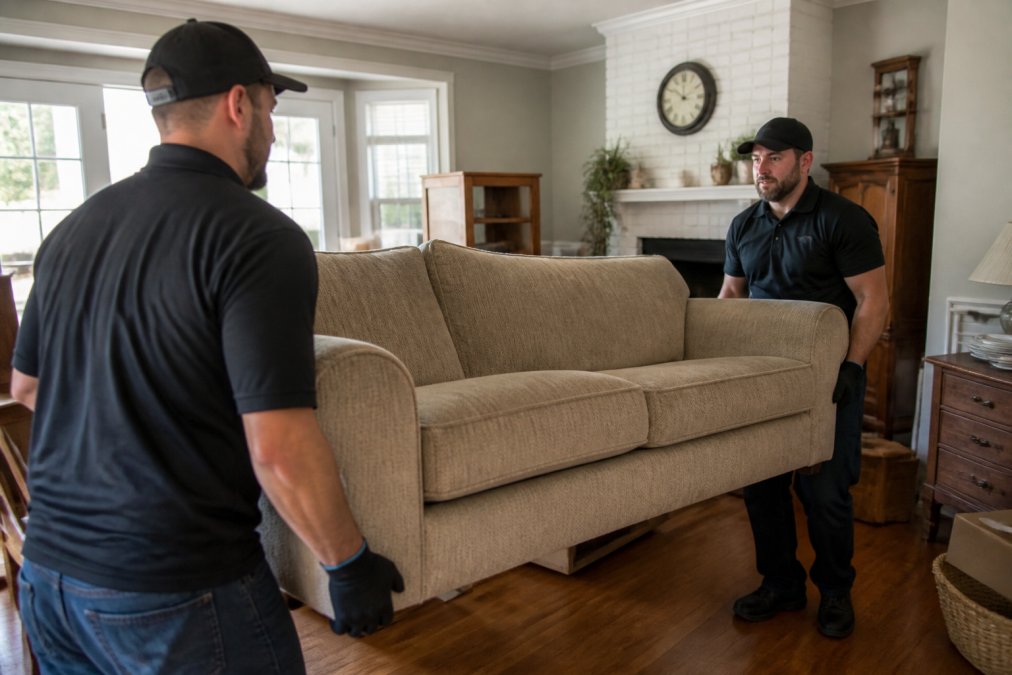
When hiring a junk removal service, look for:
- Licensed and insured operators (protects you legally)
- Experience with estate cleanouts (they understand the emotional and logistical complexity)
- Eco-friendly disposal practices (items get donated or recycled, not just dumped)
- Transparent pricing with no hidden fees
- Fast scheduling (you need them when you’re ready, not weeks later)
Families with limited mobility, multiple properties, significant volume, or tight deadlines. Professional services can significantly reduce the time spent on physical labor.
Handling Family Coordination and Conflict Resolution
Establish ground rules before you start:
- Weekly meetings: Brief check-ins keep everyone aligned. Fifteen minutes per week beats emergency calls later.
- Written decisions: Document who decided what and why. This prevents “I didn’t agree to that” arguments later.
- Clear authority: Designate an executor or primary decision-maker. They have final say after hearing input.
- Respect for sentimental items: Allow each heir to claim items that matter to them, even if others don’t understand why.
- Timeline agreement: Everyone commits to the schedule upfront.
Common conflict scenarios:
“I want to keep everything.” Set limits. One heir can’t block the entire process. Offer storage options or compromise (keep 10 items, photograph the rest).
A family conversation script:
“We all loved [person]. Honoring that means making thoughtful decisions about their belongings. We’ll keep items that matter most to each of us, donate what’s usable, sell what’s valuable, and let go of the rest respectfully. Here’s the timeline we’re committing to.”
Tax and Legal Considerations During Cleanout
The estate cleanout timeline intersects with tax deadlines and legal requirements. Missing these creates problems later.
Key dates to know:
- Within 30 days of death: File the death certificate and notify relevant agencies
- Within 60 days: Notify beneficiaries and creditors (varies by state)
- Tax year deadline (April 15): File the final income tax return for the deceased
- Estate tax return (9 months): File Form 706 if the estate exceeds the federal exemption threshold (Estate tax)
- Donation receipts: Obtain written receipts for all charitable donations (required for tax deductions)
Some items have special handling requirements:
- Hazardous materials: Old paint, chemicals, batteries, and electronics require proper disposal at certified facilities
- Medications: Pharmacies often accept unused medications for safe disposal
- Firearms: Contact local law enforcement for proper handling
- Vehicles: Title transfer requires specific documentation
Improperly documented donations or missed tax deadlines can trigger audits or penalties. Keep all paperwork organized and consult a tax professional before the final estate settlement.
Conclusion
An estate cleanout timeline transforms an overwhelming process into a structured, manageable plan. Start by securing legal documents, establish clear categories for items, and set realistic expectations for duration, typically 8-12 weeks for most homes.
Frequently Asked Questions
How long does an estate cleanout take?
The timeline depends on the home’s size, the volume of items, and how many people help. A small apartment might take 1-2 weeks, while a larger home often requires 4-8 weeks or more. If you’re working through probate or coordinating with multiple heirs, add several weeks. Professional junk removal services can accelerate the physical removal process significantly, sometimes completing the heavy hauling in a single day.
What should be on an estate cleanout checklist?
Your estate cleanout checklist should include: securing and reviewing legal documents and death certificates, identifying the executor or administrator, categorizing items into keep/donate/sell/discard piles, arranging appraisals for valuable items, handling hazardous waste disposal, notifying utilities and service providers, and planning for sentimental items. Don’t forget to check for important financial records, insurance documents, and digital assets that may need attention during the estate settlement process.
When should I hire professional junk removal for an estate?
Consider hiring professional junk removal services if the home contains large appliances, furniture that’s difficult to move, hazardous materials, or if you lack the physical capacity or time to handle the work yourself. Many families find that professional help speeds up the process by weeks, especially for estates with significant clutter or items requiring special disposal. Services like appliance removal and furniture removal can be completed in a single trip, reducing stress during an already emotional time.
How do I handle sentimental items during an estate cleanout?
Don’t rush decisions about sentimental items. Set them aside in a separate area and give yourself time to process their emotional value. Consider photographing items before discarding them, creating memory boxes for family members, or donating meaningful items to causes the deceased cared about. If multiple heirs are involved, establish clear communication about who wants what before the cleanout begins to prevent conflict and ensure important memories are preserved appropriately.
DAY