


Table of Contents
- What Professional Junk Removal Actually Costs
- Factors Affecting Junk Removal Quotes
- Understanding Minimum Charge for Junk Removal
- Junk Removal vs Dumpster Rental Cost
- Residential vs Commercial Junk Removal Pricing
- How to Get an Accurate Estimate
- Hidden Costs and What to Ask Before Booking
- Disposal Fees and What’s Included in the Quote
- Minimum Charge and How It’s Calculated
- Same-Day and Emergency Service Premiums
- Items Junk Removal Companies Refuse
- Payment Methods and Deposit Requirements
- Donation and Recycling Practices
- Accessibility and Labor-Intensive Item Surcharges
- Insurance and Liability
- DIY vs Professional Junk Removal: The Real Cost Comparison
- Frequently Asked Questions
Last Updated: October 4, 2026
What Professional Junk Removal Actually Costs
The cost of professional junk removal varies dramatically based on volume, item type, and location. Quotes range widely depending on factors most people overlook until they’re committed to the project.
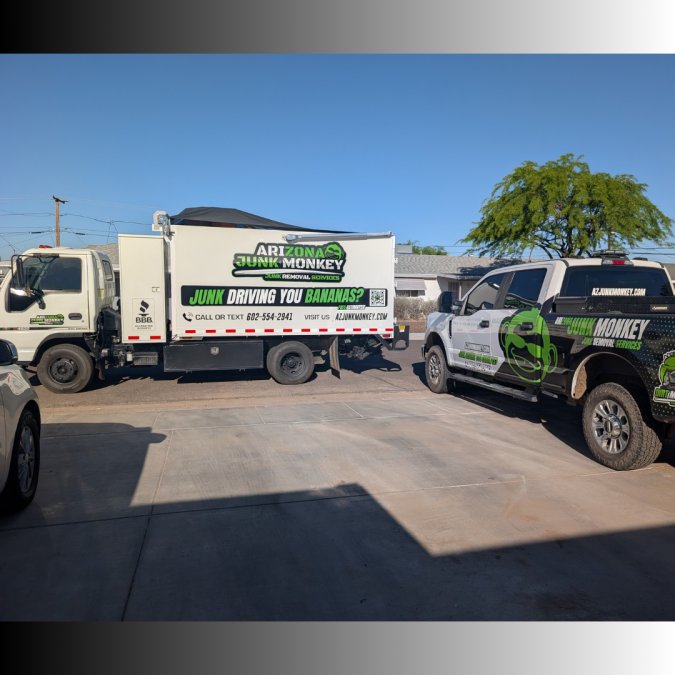
The cost of professional junk removal covers labor, transportation, and proper disposal, all of which shift based on your situation. A single mattress costs far less than a full garage clearout. Residential jobs differ from commercial hauling. Same-day service costs more than scheduled appointments.
There’s no universal price tag. Get a no-obligation estimate that breaks down labor, transportation, and disposal to avoid surprises.
Factors Affecting Junk Removal Quotes
Several key variables determine what you’ll actually pay when you call for junk removal services.
Volume and Load Size
Volume is the primary cost driver. A single item like a refrigerator costs less than filling a truck bed. Most companies measure volume by space occupied in their truck.
A pickup truck bed holds roughly one-quarter to one-third of a full truckload. If your project exceeds full capacity, you’ll either make multiple trips or rent a dumpster.
The minimum charge applies to jobs that don’t fill the truck, ensuring the company covers fuel, labor, and disposal on smaller jobs.
Type and Weight of Items
Heavy items like cast-iron bathtubs, safes, or appliances create logistical challenges, they’re harder to move, require more labor, and may need specialized equipment.
Hazardous materials like paint, batteries, or freon require special handling and licensed facility processing, which adds cost. Disclose these upfront so the estimate accounts for proper disposal.
Accessibility and Labor Intensity
Location matters significantly. Accessible driveway items load quickly; garage, staircase, or basement items take longer and cost more.
A single-story ranch with a wide driveway is straightforward; a multi-story townhouse with steep stairs requires more time and crew. Disassembly adds labor costs.
Disposal and Recycling Fees
Once loaded, junk goes to recycling, landfill, or donation, each with different costs.
Recycling facilities and landfills charge tipping fees; donation centers may be free. The disposal mix affects total cost, recyclable metals cost less than mixed construction debris.

Understanding Minimum Charge for Junk Removal
Most junk removal companies impose a minimum charge, the floor price regardless of volume.
The minimum charge covers fixed costs: fuel, crew labor, vehicle wear, and disposal. A single mattress still requires a truck and driver.
The minimum applies to jobs that don’t fill much of the truck. If you’re filling most or all of it, pricing shifts to volume-based models. This helps you decide whether to hire now or wait until you have more items.
Junk Removal vs Dumpster Rental Cost
These are two different approaches to the same problem, and each has situations where it makes more sense.
When Junk Removal Makes Sense
Professional junk removal works best for defined piles that need immediate removal, no waiting, no dumpster in your driveway, no sorting required.
This works for sudden cleanouts, estate cleanups, garage purges, or situations where space or HOA rules prevent dumpster placement. The convenience is substantial, you’re not managing the project.
When a Dumpster Rental Is Better
A dumpster rental works for ongoing projects like renovations or landscaping that span days or weeks, with a container staying on-site.
Dumpster rentals work if you’re doing the hauling yourself at your own pace. For high-volume, flexible-timeline projects, they often cost less than multiple removal trips.
Residential vs Commercial Junk Removal Pricing
Residential and commercial junk removal operate on different economics.
Residential jobs are typically smaller, varied, one-time events requiring careful handling of personal property.
Commercial hauling involves larger volumes, recurring schedules, and different waste streams. Commercial clients often negotiate volume discounts or standing agreements, lowering per-unit costs.
Arizona Junk Monkey Removal Services handles both residential and commercial jobs, understanding that each requires a different approach. Residential work demands care and attention to the customer’s space. Commercial work demands efficiency and reliability on a larger scale.
How to Get an Accurate Estimate
An accurate estimate requires information. The more detail you provide upfront, the more accurate the quote will be.
Start by describing what you’re removing. Don’t just say “a lot of stuff”, specify: old furniture, appliances, boxes, construction debris, or a combination.
Next, describe where the items are located. Are they in a garage accessible from the driveway? In a basement requiring stairs? Scattered across multiple rooms?
Be honest about condition and hazardous materials. If something contains freon, paint, batteries, or other regulated materials, say so. If items are broken or unusable, mention it.
Most professional junk removal companies offer no-obligation estimates. Many can provide these over the phone or via photos. Some send a crew member to assess in person.
Hidden Costs and What to Ask Before Booking
Beyond the quoted removal price, several costs and restrictions hide in the fine print. Knowing what to ask, and what items junk removal companies actually refuse, prevents booking failures and surprise charges.
Disposal Fees and What’s Included in the Quote
Ask explicitly: “Does your quote include disposal fees, or are those added to my invoice?” Some companies quote only labor and transportation, then add tipping fees, hazardous material surcharges, or recycling facility charges at the end. This can inflate your final bill by 20-40%. Request an all-in quote that breaks down labor, transportation, and disposal separately so you know exactly what you’re paying for each component.
Minimum Charge and How It’s Calculated
Clarify the minimum charge policy. Is it based on truck capacity percentage, time on-site, item count, or a flat dollar amount? A company with a $150 minimum is cheaper than one with a $300 minimum if you’re removing just a few items. Understanding this threshold helps you decide whether to bundle multiple small jobs into one appointment or wait until you have more junk accumulated.
Same-Day and Emergency Service Premiums
If you need removal today rather than scheduling for next week, expect a premium, typically 25-50% above the standard rate. Some companies charge extra for evening or weekend appointments. Ask what the surcharge is before committing. For non-urgent removals, scheduling a week or two out can save $50-$200.
Items Junk Removal Companies Refuse
This is the critical gap most guides skip. Junk removal companies have strict policies on what they will and will not haul, and these restrictions vary by company and local regulation. Understanding what’s refused prevents you from booking a service only to have the crew turn down half your pile on arrival.
Commonly Refused Items:
- Hazardous Materials: Paint, solvents, pesticides, propane tanks, ammunition, and other regulated substances. These require specialized hazardous waste facilities and cannot be mixed with general junk.
- Refrigerants and Freon-Containing Appliances: Old air conditioners, refrigerators, and freezers with intact refrigerant lines require EPA-licensed technicians to extract the refrigerant before disposal. Many junk removal crews refuse these items entirely; you may need to hire a specialized appliance recycler instead.
- Tires: Most junk removal companies refuse tires because landfills charge high tipping fees for them and many states regulate tire disposal. You’ll need to take tires to a tire shop or specialized recycler.
- Electronics and E-Waste: Televisions, computer monitors, printers, and circuit boards contain hazardous materials (lead, mercury) and are regulated under e-waste laws. Some junk removal companies accept electronics for an extra fee; others refuse them entirely. Check before booking.
- Batteries: Car batteries, lithium batteries, and rechargeable batteries are fire hazards in landfills and trucks. Most companies refuse them. Take these to an auto parts store or battery recycler.
- Asbestos and Contaminated Materials: Insulation, floor tiles, or roofing materials that may contain asbestos require certified abatement contractors, not general junk removal. Attempting to haul these yourself or with a standard service is illegal in most jurisdictions.
- Soil, Concrete, and Heavy Construction Debris: Some junk removal companies refuse heavy construction materials because they’re heavy (increasing fuel costs and tipping fees) and often require specialized disposal. Confirm before booking if you’re clearing a renovation site.
- Propane Tanks and Gas Cylinders: These are explosion hazards and must be professionally depressurized and recycled. Junk removal crews will refuse them.
- Biohazardous Materials: Blood, bodily fluids, or materials contaminated with them require specialized biohazard cleanup crews, not standard junk removal.
What to Do If You Have Refused Items:
If your pile includes any of these, handle them separately before the junk removal crew arrives. Take electronics to an e-waste recycler, tires to a tire shop, batteries to an auto parts store, and hazardous materials to your local hazardous waste collection event (most municipalities offer free or low-cost drop-off days).
Payment Methods and Deposit Requirements
Confirm what payment methods the company accepts. Most take cash, credit cards, and debit cards, but some require payment upfront or a deposit to hold the appointment. Ask whether you can pay after the job is complete or if payment is due on-site. Some companies charge extra for credit card payments (3-5% processing fee), so cash or check might be cheaper.
Donation and Recycling Practices
If environmental impact matters to you, ask: “Do you donate usable items or recycle materials, or does everything go to the landfill?” This also gives you the satisfaction of knowing your furniture might be used again rather than buried.
Accessibility and Labor-Intensive Item Surcharges
Ask whether the quote accounts for stairs, narrow hallways, or items requiring disassembly. Some companies charge extra for items on upper floors, basement access, or furniture that needs to be broken down. Clarify these potential surcharges before the crew arrives so there are no surprises on invoice day.
Insurance and Liability
Confirm that the company carries liability insurance. If a crew member is injured on your property or damages your home during removal, you want to know the company is insured and won’t come after you for damages. Ask for proof of insurance before booking.
DIY vs Professional Junk Removal: The Real Cost Comparison
Doing it yourself is cheaper upfront. Renting a dumpster or making multiple trips to the landfill yourself costs less than hiring a crew.
DIY requires your time. If you’re spending a Saturday loading a truck, that’s an opportunity cost.
DIY also requires physical capability. Can you safely lift a refrigerator? Maneuver a sectional down a narrow staircase?
Professional removal handles the heavy lifting, the logistics, and the proper disposal. You’re paying for convenience, safety, and the certainty that everything gets handled correctly.
The real comparison isn’t DIY versus professional. It’s the total cost of your time and effort versus the cost of hiring someone to do it right.
Frequently Asked Questions
What is the average cost of professional junk removal?
Professional junk removal pricing depends on quantity, type of items, accessibility, and disposal requirements. Costs vary based on whether you have a single couch or an entire garage to clear. Most providers offer no-obligation estimates so you know the exact price before committing. Contact a local service for a quote tailored to your specific job.
What is the minimum charge for junk removal?
Most junk removal companies impose a minimum charge to cover the cost of the truck, crew, and fuel. This minimum applies even for small loads. The exact minimum charge varies by provider and location. Getting a no-obligation estimate helps you understand whether your job meets the minimum or if you might benefit from combining multiple items to justify the trip.
Is it cheaper to rent a dumpster or hire a junk removal service?
A dumpster rental works best for ongoing projects where you’re generating debris over days or weeks. Junk removal is more cost-effective for one-time cleanouts because the crew handles loading and hauling. If you have heavy items like appliances or furniture that are difficult to move yourself, professional junk removal often saves money compared to renting a dumpster and doing the labor yourself.
What items might cost extra or be refused by junk removal companies?
Hazardous materials such as paint, chemicals, and certain electronics may incur disposal fees or be refused entirely due to environmental regulations. Appliances containing refrigerants require special handling. Some companies charge extra for heavy items like hot tubs or require additional crew members. Always disclose all items upfront when requesting an estimate so there are no surprises.
Getting an accurate estimate for the cost of professional junk removal is your first step. Most companies, including Arizona Junk Monkey Removal Services, provide no-obligation estimates that break down exactly what you’re paying for. Call or text today to understand what your specific cleanup will cost and how quickly we can get it done.