
Table of Contents
- What Is an Estate Cleanout and Why It Matters
- Estate Cleanout Checklist: What You Need to Do First
- The Step-by-Step Process: How Estate Cleanouts Work
- How to Manage Estate Cleanout Timeline and Logistics
- Understanding Estate Cleanout Costs and Getting Accurate Estimates
- Deciding What to Keep, Sell, Donate, or Discard
- Managing Emotional Challenges and Family Conflict During Cleanout
- Legal, Tax, and Sustainable Disposal Considerations
- Frequently Asked Questions
Last Updated: October 2, 2026
What Is an Estate Cleanout and Why It Matters
An estate cleanout is the comprehensive process of clearing, sorting, and disposing of personal belongings, furniture, and household items from a property, typically following a death, move, or significant life transition. This isn’t simply throwing things away, it’s a deliberate, organized effort to categorize decades of accumulated possessions and decide their final destination.
The emotional weight of an estate cleanout often catches people off guard. You’re not just handling objects; you’re processing memories, family history, and sometimes unresolved grief. At the same time, you’re facing practical deadlines: probate timelines, property sales, lease end dates, or rental turnovers that demand action. The process requires equal parts logistics and emotional intelligence.
What makes an estate cleanout different from a typical decluttering project is its scope and complexity. You’re managing hazardous materials, valuable antiques that may need appraisal, sentimental items with unclear monetary worth, and often multiple family members with competing interests. You may also be dealing with legal requirements around asset documentation, tax implications, and responsible disposal of restricted items like appliances and electronics.
Understanding what to expect, the timeline, costs, emotional challenges, and logistical steps, transforms the process from overwhelming to manageable. This guide walks you through each phase, from initial planning through final property preparation.
Estate Cleanout Checklist: What You Need to Do First
Before calling in professional help or enlisting family, you need a foundation. Start with these essential first steps.
Create an inventory system. Walk through the property and document major items: furniture, appliances, collections, and anything of potential value. Take photos. This serves multiple purposes: it helps you identify items for donation or sale, it creates a record for insurance or estate documentation, and it gives professional cleanout services a clear picture of scope before they arrive.
Identify priority items early. Separate items into categories immediately: family heirlooms you’re keeping, items with potential resale value, things to donate, and items for disposal. This prevents decision fatigue later and keeps the process moving.
Locate important documents. Before anything moves, secure financial records, property deeds, insurance policies, and legal documents. These often get mixed in with everyday papers and can easily be discarded by mistake.
Understand local regulations. Some areas have specific rules about bulk trash collection, hazardous waste disposal, and donation center hours. Knowing these constraints upfront prevents last-minute complications.
Assess the timeline realistically. Estate cleanouts typically take weeks, not days. Account for time needed to sort, arrange pickups, coordinate with family, and handle unexpected discoveries.
The Step-by-Step Process: How Estate Cleanouts Work
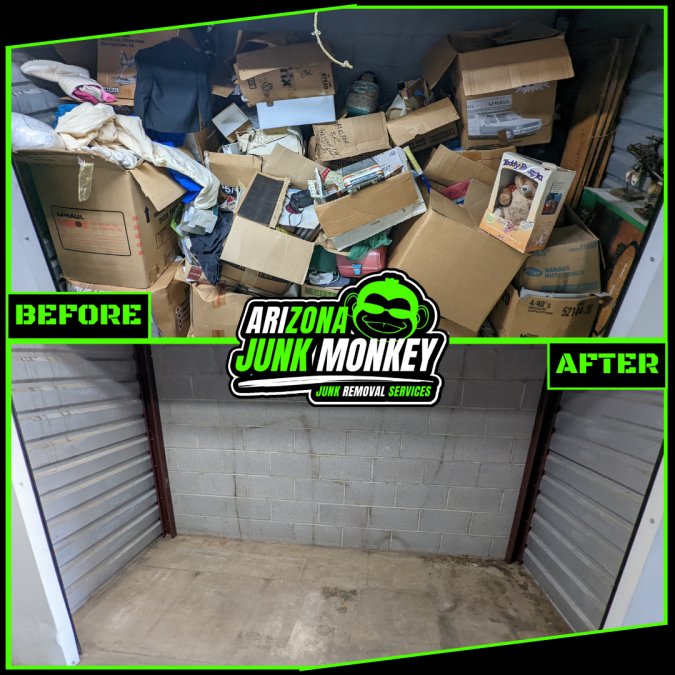
The actual cleanout follows a logical sequence that prevents chaos and ensures nothing important gets lost.
Step 1: Secure and assess the property. Before anything leaves the house, ensure all doors and windows are secured. Document the property’s condition with photos for insurance purposes. If the property will be sold, this baseline is essential for any damage claims later.
Step 2: Sort systematically, room by room. Don’t try to tackle the entire house at once. Work through one room, then move to the next. This creates momentum and prevents decision paralysis. You see progress, which matters psychologically during a difficult process.
Step 3: Set up staging areas. Designate separate zones for items being kept, items for sale, donations, and disposal. Use clearly labeled bins or sections of the garage. This prevents accidental mixing and keeps the workflow clear.
Step 4: Handle valuables appropriately. Items with potential monetary value, jewelry, antiques, collectibles, art, may need professional appraisal. Don’t assume something is worthless based on age or appearance. Conversely, don’t overestimate value. Honest assessment prevents both financial loss and wasted effort.
Step 5: Arrange removal and disposal. Schedule pickups for donation centers, schedule haul-away for bulk items, and arrange for proper disposal of hazardous materials. This is where professional services like property clean outs become invaluable, they handle the logistics that would otherwise consume weeks of your time, managing everything from furniture removal to appliance disposal and coordinating with donation centers.
Sorting and Categorizing Belongings
The sorting phase is where most people get stuck. The sheer volume of decisions creates decision fatigue, and the emotional component makes it harder.
Use these categories to stay organized: Keep (items with genuine sentimental or practical value), Sell (items with resale potential), Donate (usable items you won’t keep), Recycle (materials that can be processed), and Discard (items with no value or utility). Be honest about each category. A common mistake is the “maybe” pile, items you might use someday or might be valuable. These piles grow and paralyze progress.
For sentimental items, set a realistic limit. You cannot keep everything. Choose a few truly meaningful pieces and photograph the rest before letting them go. Digital documentation preserves memory without consuming physical space.
Handling Hazardous Materials and Restricted Items
Certain items cannot go into regular trash or donation streams. Appliances containing refrigerants, electronics with hazardous components, paint, batteries, and other restricted materials require special handling.
Refrigerators, freezers, and air conditioning units contain refrigerants that damage the ozone layer. These must be disposed of through certified recyclers. Many municipalities have specific requirements and may charge a disposal fee.
Electronics like TVs, computers, and monitors contain materials that contaminate landfills. Most areas have e-waste recycling programs. Some retailers also accept old electronics when you purchase replacements.
Paint and chemicals should never enter regular trash. Contact your local hazardous waste facility for disposal dates and locations. Many communities offer seasonal collection events.
Batteries of all types, car batteries, rechargeable batteries, single-use batteries, require special handling. Retailers often accept them for free recycling.
Attempting to dispose of these items improperly creates legal liability and environmental harm. Professional cleanout services know the regulations and handle this correctly, which is one reason they’re worth the investment.
How to Manage Estate Cleanout Timeline and Logistics
Timeline expectations vary dramatically based on property size, amount of accumulated items, and how many people are involved in decisions.
A typical estate cleanout spans 4-8 weeks for an average home.
Understanding Estate Cleanout Costs and Getting Accurate Estimates
Cost is the question everyone asks, and it’s also the one with the fewest guarantees. Pricing depends on several variables: the volume of items, the complexity of sorting, what needs to be recycled versus donated versus discarded, and whether you’re hiring professional services.
Deciding What to Keep, Sell, Donate, or Discard
This is the decision-making core of the entire process. Getting it right prevents regret and wasted effort.
Managing Emotional Challenges and Family Conflict During Cleanout
The emotional component often exceeds the logistical one. You’re processing loss, making decisions about someone else’s belongings, and sometimes navigating family disagreement about what should happen to items.
Legal, Tax, and Sustainable Disposal Considerations
Several legal and financial dimensions of estate cleanout often get overlooked until they create problems.
Frequently Asked Questions
How long does an estate cleanout typically take?
The timeline varies based on the home’s size, the volume of belongings, and complexity. Small apartments may take 1-2 days, while larger homes can require 1-3 weeks or longer. Family involvement, decision-making about items, and coordination of donations or sales extend the process. Professional estate cleanout services can accelerate timelines by handling logistics, sorting, and hauling simultaneously, reducing what might take a family weeks to just days.
What should I include in my estate cleanout checklist?
A solid estate cleanout checklist should cover: documenting valuable items for appraisal, identifying legal documents and financial records, notifying beneficiaries and executors, arranging for professional help if needed, securing hazardous waste disposal, scheduling donation pickups, and planning the removal of large items like appliances and furniture. Include timelines for each task and designate responsibility. This prevents overlooked items and reduces stress during an already difficult time.
How do I estimate the cost of an estate cleanout?
Estate cleanout costs depend on the home’s square footage, volume of items, types of materials (hazardous waste costs more), and whether items are sold, donated, or discarded. Professional services provide no-obligation estimates based on a walkthrough. Pricing factors include labor, hauling fees, dumpster rental if needed, and specialized disposal for appliances or hazardous materials. Request quotes from multiple providers and ask what’s included to avoid surprises.
What items cannot be sold at an estate sale?
Items unsuitable for estate sales include: hazardous materials (chemicals, paint, batteries), recalled or unsafe products, certain electronics with missing components, stained or heavily damaged furniture, and items with broken seals or unknown contents. Medications, weapons, and items with biohazard concerns must be disposed of properly. Consult local regulations and professional appraisers to identify what’s sellable versus what requires proper disposal or donation.
How is an estate cleanout different from an estate sale?
An estate sale typically focuses on selling valuable items through an auction or public event to maximize proceeds for the estate. An estate cleanout is a comprehensive removal of all belongings, valuable or not, to prepare the property for sale or transfer. Cleanouts handle items unsuitable for sale, manage logistics, and handle proper disposal. Many estates benefit from both: conduct a sale for valuable items, then hire cleanout services to remove the remainder.
How do professional services handle eco-friendly disposal?
Reputable cleanout services prioritize sustainable disposal by donating usable items to charities, recycling materials like metal and electronics through certified processors, and diverting waste from landfills when possible. They partner with donation centers and recycling facilities to ensure proper handling. Ask potential providers about their disposal practices, recycling partnerships, and what percentage of items they divert from landfills. Licensed and insured services follow environmental regulations for hazardous materials.
Can professional services handle appliances and large furniture?
Yes, professional junk removal services specialize in removing large, heavy items like refrigerators, washers, dryers, mattresses, sofas, and hot tubs. They have the equipment, labor, and expertise to safely remove these items without damaging your property. Many also handle proper recycling or disposal of appliances, which often contain hazardous materials requiring certified handling. This is one of the biggest advantages of hiring professionals, they eliminate the physical labor and logistical headache.