

Last Updated: November 4, 2026
Quick Summary
An estate cleanout cost depends on the volume of belongings, the number of rooms and floors, bulky items, access, and disposal fees, so each job is priced individually rather than by square foot. Families should ask for a written, itemized estimate that states what is included and what could change after a walkthrough. Clearing the home in a set order, starting with important documents, helps protect the estate and reduce costly surprises.
- Collect the will, deeds, titles, and financial records before any items are removed.
- Confirm with the executor or estate attorney what can leave the house before work begins.
- Ask for a written, itemized estimate covering disposal, donation, and any extra fees.
- Volume, number of floors, bulky items, and access are the main drivers of the final price.
- Request documented donation and recycling so belongings are handled with care.
Table of Contents
- What an Estate Cleanout Involves for Families
- How to Clean Out a House After Someone Dies, Step by Step
- Step 1: Gather the Documents Before Anything Moves
- Step 2: Confirm Who Has Authority to Approve Decisions
- Step 3: Do a Family Walkthrough and Flag Keepsakes
- Step 4: Separate Items That Need Special Handling
- Step 5: Schedule the Cleanout and Set Access Details
- Step 6: Supervise the Removal Day
- Step 7: Do a Final Walkthrough Before Lock-Up
- Estate Cleanout Timeline: From First Walkthrough to Final Pickup
- Estate Cleanout Cost: What Changes the Estimate
- Donation, Recycling, and Disposal Outcomes for Estate Items
- Executor Coordination and Caretaker Support
- Booking a Compassionate Estate Cleanout With Arizona Junk Monkey Removal Services
- Frequently Asked Questions
Losing a parent or relative is hard enough without also facing a house full of belongings that have to be cleared out. An estate cleanout is the process of sorting, removing, donating, or disposing of everything left inside a home after someone dies. For many families, the cost of an estate cleanout is the first question that comes up, and the answer depends on several factors. This guide explains what to expect, what drives the price, and how to plan your next step.
What an Estate Cleanout Involves for Families
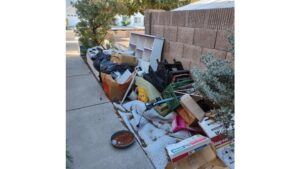
An estate cleanout is a full clearing of a property, usually a whole home, that covers furniture, appliances, clothing, kitchen items, paperwork, and personal keepsakes.
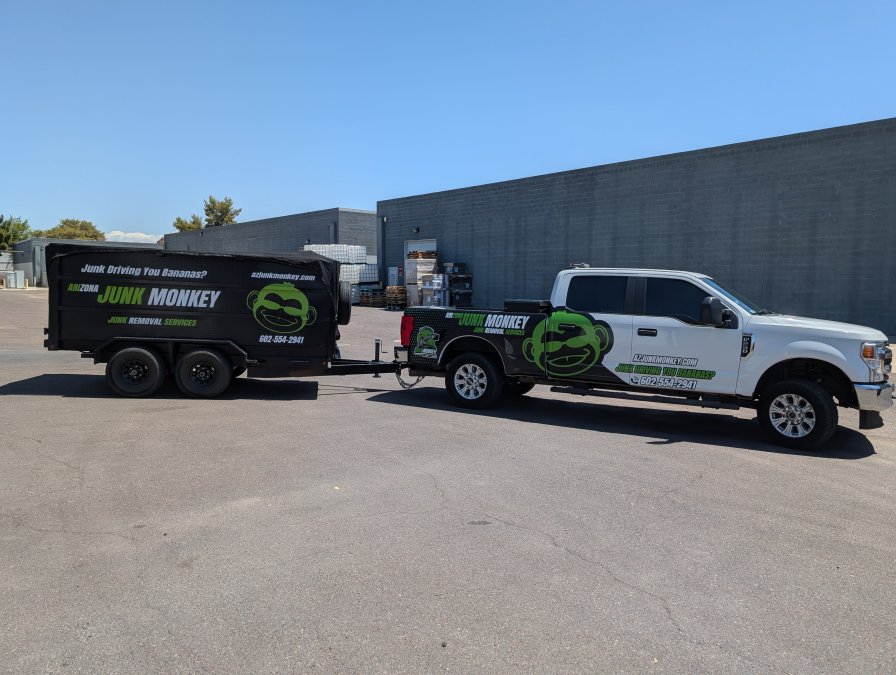
A good cleanout service typically handles the physical work while leaving room for family decisions. For larger pieces like old Furniture Removal or Appliance Removal jobs, the crew can take these off your hands once the family has chosen what to keep.
Many families find the process easier when the service works room by room instead of trying to clear the whole house at once. This keeps the work organized and gives relatives a clear point to stop and sort through personal items.
How to Clean Out a House After Someone Dies, Step by Step
Clearing a home after a death is emotional work, and the order in which you do things matters as much as the work itself. A structured sequence prevents the two most common mistakes: donating something the family meant to keep, and discarding documents the estate still needs.
Step 1: Gather the Documents Before Anything Moves
Before a single box is packed, collect the paperwork that governs the estate. Set aside the will and any codicils, the death certificate, insurance policies, deeds and titles, bank and brokerage statements, tax returns from the past several years, and any trust documents. Keep them in one labeled box that stays with the executor, not in the room being cleared.
Watch out: original wills and deeds are easy to mistake for junk mail in a kitchen drawer, so check desks, filing cabinets, and the glove box before the crew starts.
Step 2: Confirm Who Has Authority to Approve Decisions
The executor named in the will, or the administrator appointed by the court, is usually the person who signs off on what leaves the house. If probate has not yet been opened, confirm with the estate’s attorney which items can be removed and which must stay until the court authorizes distribution. Get that approval in writing, even if it is a short email, so the cleanout crew has a clear record.
Step 3: Do a Family Walkthrough and Flag Keepsakes
Walk the home room by room with the people who have a stake in the belongings. Use colored sticky notes to mark items as keep, review, or release. Photo albums, letters, military records, and handwritten recipes should go in the review pile rather than the keep pile, because they often need a second, calmer pass. Photograph anything of possible value, including jewelry, coins, art, and tools, before it is moved.
Step 4: Separate Items That Need Special Handling
Some categories should never go into a general removal pile. Firearms, prescription medications, financial records, and items that may be valuable enough to appraise all need their own process. Ask the provider in advance how they handle each category, and confirm whether they will leave those items untouched for the family or the executor to address.
Step 5: Schedule the Cleanout and Set Access Details
Confirm parking, stairs, elevators, locked rooms, and whether pets will be present. Tell the provider the target date the property must be empty, especially if a closing or rental start date is already set. A written estimate should list the scope of work, the expected number of crew members, and the disposal and donation plan. If the home also has a Hot Tub Removal or a Mattress Removal need, list those separately so they are priced correctly.
Step 6: Supervise the Removal Day
Have one family member or the executor on site as the point of contact. That person answers questions about the review pile and confirms when the crew can begin removing items. Keep the document box and any flagged valuables out of the work area.
Step 7: Do a Final Walkthrough Before Lock-Up
Walk the empty home with the crew lead before they leave. Check closets, attic access, the garage, and the basement for anything missed. Confirm that the keep and review piles were left in place, and get a receipt or written summary of what was removed, donated, and recycled.
Estate Cleanout Timeline: From First Walkthrough to Final Pickup
The timeline usually includes an initial walkthrough, a scheduled cleanout day, sorting and removal, and a final walkthrough to confirm the property is empty. See the full step-by-step estate cleanout timeline for more detail on each stage.
Planning the timeline early helps families avoid rushed decisions. If a property must be ready for a sale or a rental by a specific date, share that deadline when you request an estimate so the schedule can be built around it.
Estate Cleanout Cost: What Changes the Estimate
Cost is usually the first question families ask, and the honest answer is that a whole-home cleanout is priced per job rather than per square foot. Providers build an estimate from the volume of material, the labor hours required, the access conditions, and the disposal and donation costs. Two homes of the same size can land far apart if one is packed floor to ceiling and the other was thinned out years ago.
The Factors That Move the Number
- Volume of material. A lightly furnished home and a hoarded home require very different truck counts and labor hours.
- Number of rooms and floors. Stairs, split levels, and basements add carry time on every load.
- Heavy or bulky items. Appliances, mattresses, pianos, safes, and hot tubs take extra labor and sometimes a specialty hauler.
- Access. Long carries, narrow driveways, elevators, and permit-only parking all add time.
- Sorting versus removal only. If the family wants the crew to separate keep, donate, recycle, and discard piles, expect that labor to be built into the quote.
- Disposal and donation logistics. Landfill tipping fees, recycling fees for electronics and appliances, and the cost of hauling donations to a charity all factor in.
- Timeline. A rush job that must be finished in a single day may cost more than one spread across a week.
How to Compare Estimates Fairly
Ask each provider for a written, itemized estimate rather than a single lump sum. The estimate should state what is included, what is excluded, how disposal fees are handled, and whether the price can change after the walkthrough. Confirm whether the quote covers the whole property or only the rooms you listed, and ask what happens if the volume turns out to be larger than expected.
Watch out: a quote that is dramatically lower than the others often excludes disposal fees or donation hauling, which can reappear as a second invoice.
What to Have Ready for an Accurate Quote
A provider can usually give a firmer number after a short walkthrough or a set of photos showing each room, the garage, the basement, and the curb or driveway. Tell them the deadline, whether utilities will be on, and whether any items are already flagged for family pickup. If the cleanout includes a Garage clean out or a Light Demolition of an outbuilding, note that as well.
Arizona Junk Monkey Removal Services offers no-obligation estimates. Visit our website or contact us for a current quote based on your property.
The table below summarises the main factors the article identifies as changing an estate cleanout estimate.
| Factor | Effect on estimate | Note |
|---|---|---|
| Volume of material | Drives truck count and labor hours | Packed homes cost more than lightly furnished ones |
| Number of rooms and floors | Adds carry time per load | Stairs, split levels and basements add time |
| Heavy or bulky items | Adds labor and sometimes a specialty hauler | Appliances, mattresses, pianos, safes, hot tubs |
| Access | Adds time | Long carries, narrow driveways, elevators, permit-only parking |
| Sorting versus removal only | Sorting labor is built into the quote | Keep, donate, recycle and discard piles |
| Disposal and donation logistics | Adds fees | Landfill tipping, recycling, donation hauling |
| Timeline | Rush jobs may cost more | Single-day jobs versus work spread over a week |
Donation, Recycling, and Disposal Outcomes for Estate Items
Many families worry that everything will go straight to a landfill. A responsible cleanout separates items by their best use. Usable furniture, clothing, and household goods can often be donated to local charities. Only items that cannot be reused or recycled should be discarded.
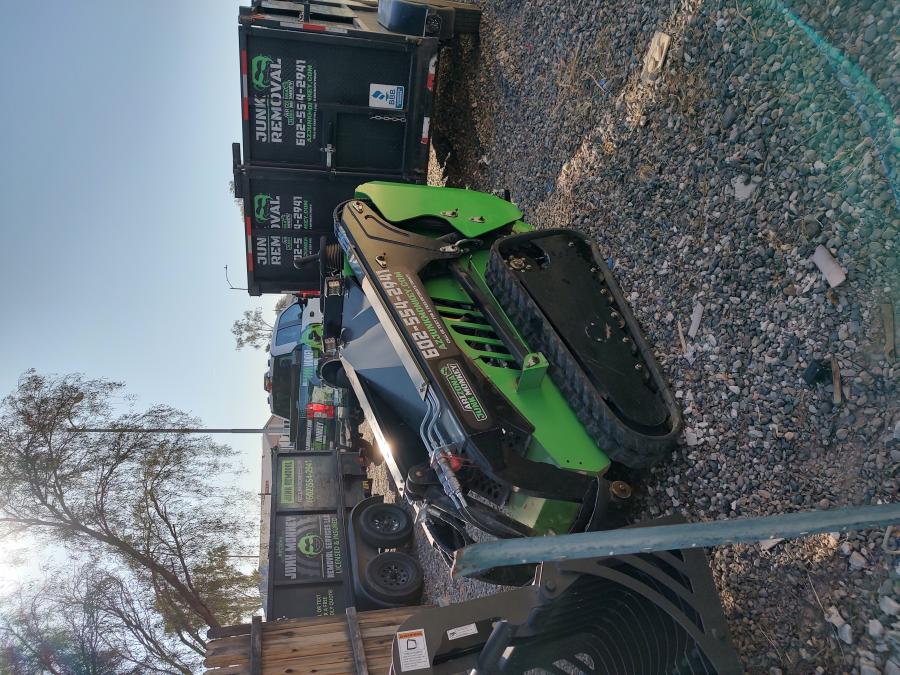
Ask your provider for a clear breakdown of where items will go. Request that donations be documented, and confirm which materials are recycled. This gives the family confidence that belongings are handled with care.
Executor Coordination and Caretaker Support
The executor of an estate usually coordinates the cleanout, approves major decisions, and keeps records of what leaves the house. Clear communication between the executor, the family, and the cleanout crew prevents confusion about which items belong to which heir.
Caretakers and family members who are not handling the estate can still play a useful role. They can help identify items to keep, manage the schedule, or stay present on cleanout day to answer questions. Choosing a reliable junk hauler and a trustworthy estate cleaner is also important, since you will be trusting them inside a family home. Read practical guidance on finding reliable estate cleaners if you are unsure where to start. Find a vetting checklist for junk haulers to help you compare providers before you commit.
Booking a Compassionate Estate Cleanout With Arizona Junk Monkey Removal Services
Arizona Junk Monkey Removal Services is a local, family-owned, licensed, and insured business serving the Northwest Valley. We accept cash, check, major credit and debit cards, and Zelle, and we provide no-obligation estimates.
If your family is preparing for an estate cleanout, call or text us today to request a quote and talk through your timeline.
Frequently Asked Questions
How much does it cost to clean out a house after someone dies?
Pricing depends on quantity, dates, and delivery, so the most reliable number comes from a quote. Because every home is different, the most reliable number comes from an on-site walkthrough. Arizona Junk Monkey Removal Services offers no-obligation estimates, so you can ask for a written quote before committing and confirm what is included up front.
How long does an estate cleanout usually take?
Many estate cleanouts are completed in one visit, but the total timeline depends on the size of the home and how much sorting the family wants to do before the crew arrives. Planning the walkthrough, setting aside items to keep, and scheduling donation pickups in advance keeps the process moving and reduces delays.
Can estate cleanout companies donate usable belongings?
Yes, usable furniture, household goods, and appliances can often be donated instead of thrown away, depending on condition and local donation partners. Families should tell the crew which items are meant for donation, and ask how each category will be handled. Items in poor condition may need to be recycled or disposed of responsibly. Arizona Junk Monkey Removal Services emphasizes eco-friendly disposal and donation practices, so ask about options for your specific items.
How can families decide what to keep, sell, donate, or discard?
A simple approach is to use four labeled zones: keep, donate, sell, and discard. Start with sentimental items and documents, which take the most time, then move to furniture and household goods, which are easier to decide on. Set a rule for tie-breakers, such as keeping one item per family member for memories. Involving multiple relatives early reduces disagreements, and any item of unclear value can be photographed and appraised before it leaves the home.