
Last Updated: November 9, 2026
Quick Summary
The best ways to donate items after an estate cleanout start with sorting before you move anything, using four labeled zones: keep, donate, sell, and toss. A successful estate cleanout donation also means calling charities ahead to confirm accepted items, booking pickup early for heavy pieces, and recording each donation as you box it for tax documentation.
- Work room by room with a checklist instead of tackling the whole house at once.
- Charities generally reject mattresses, stained upholstery, broken electronics, and items missing parts.
- Pickup suits furniture and bulk items, while drop-off works for a few boxes.
- Record what you gave, to whom, and when, and keep the charity’s receipt or acknowledgment letter.
- Call a hauler when an item weighs more than two people can safely carry.
Table of Contents
- Sort First: A Simple Estate Cleanout Donation Checklist
- Items Charities Accept for Donation (and What They Reject)
- Donation Pickup for Household Items vs. Drop-Off: Which Fits Your Cleanout?
- Estate Sale Leftovers Donation Options When Nothing Sells
- Documenting Donations for Tax Deductions
- Handling Furniture, Appliances, and Bulky Items That Charities Won’t Take
- Managing the Emotional Side of a Cleanout
- Schedule a Cleanout Pickup and Donation Run
- Frequently Asked Questions
Sort First: A Simple Estate Cleanout Donation Checklist
The best ways to donate items after an estate cleanout start with one rule: sort before you move anything. For help planning the work ahead, see this estate cleanout timeline.
A good estate cleanout donation checklist covers five things:
- Pick one room to start and finish it before moving on
- Set up four labeled zones: keep, donate, sell, toss
- Check each item for wear, completeness, and safety
That last step matters more than most people expect. You will need the record later for tax documentation, and rebuilding it from memory is nearly impossible.
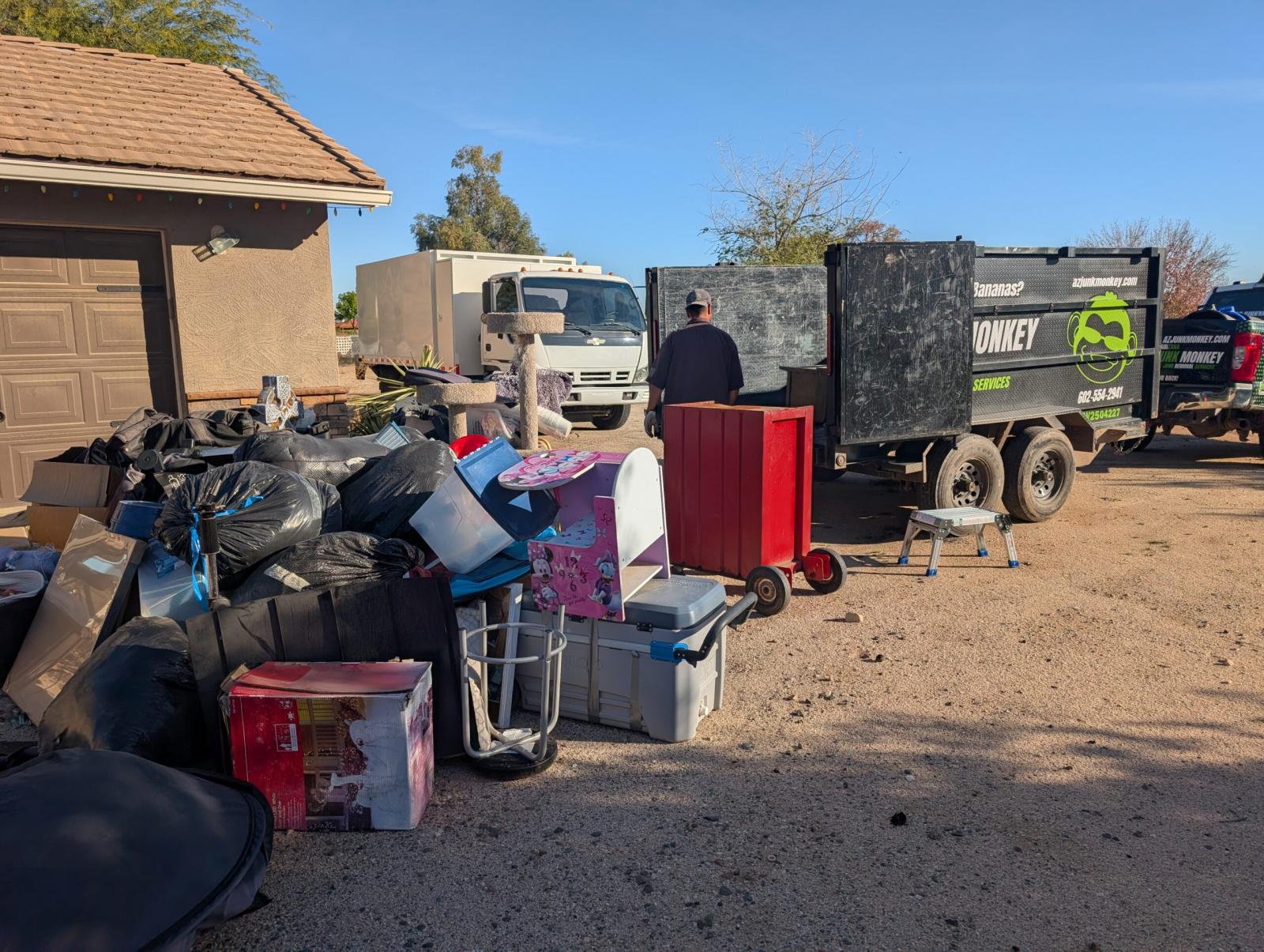
The Four-Pile Method: Keep, Donate, Sell, Toss
The four-pile method assigns every item to one of four outcomes before it leaves the room, removing the daily decision-making that stalls most cleanouts. You handle each object once.
Here is how we would set it up:
- Keep goes to family members who have claimed it in writing.
- Donate holds usable household goods in clean condition.
- Sell is for higher-value pieces worth an estate sale.
- Toss covers broken, stained, or unsafe items.
A common mistake is letting the “sell” pile grow too large. Be honest about what will actually move, since unsold goods often end up needing a new home.
Items Charities Accept for Donation (and What They Reject)
Charities generally look for clean clothing, working small appliances, dishes, books, and basic furniture, and often reject mattresses, stained upholstery, broken electronics, and items missing parts. The items charities accept for donation are usually the ones a neighbor would happily take home.
Guidelines vary by organization, so call ahead before you load a truck. Many non-profit organizations publish a short accepted-items list online.
Commonly accepted:
- Clothing, shoes, and accessories in wearable condition
- Kitchenware, dishes, and small working appliances
- Furniture in usable condition with no tears or stains
Commonly rejected:
- Mattresses and box springs
- Recalled or damaged car seats
- Pianos and large entertainment centers
Preparing Furniture and Household Goods Before Drop-Off
Wipe down surfaces, tape drawers shut, and bag loose parts with their hardware. Clean items get accepted; dusty ones get turned away at the dock.
Keep an inventory list as you box items. Note the category and rough count, not every spoon. That list becomes your donation receipt backup later.
Donation Pickup for Household Items vs. Drop-Off: Which Fits Your Cleanout?
Donation pickup for household items suits large volumes and heavy pieces; drop-off works better for a few boxes and a short drive. The right choice comes down to weight, distance, and time.
| Factor | Pickup Service | Drop-Off |
|---|---|---|
| Best for | Furniture, bulk items, full rooms | A few boxes or bags |
| Scheduling | Book days or weeks ahead | Same day, during open hours |
| Effort | You stage items curbside | You load and drive |
| Limits | Varies by charity | Limited to what fits your vehicle |
Pickup slots can fill quickly, so book early. If a charity cannot take everything, a full-service removal service may be able to handle the rest.
Estate Sale Leftovers Donation Options When Nothing Sells
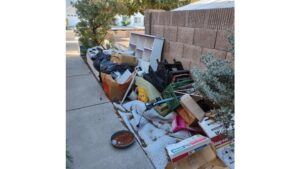
Whatever does not sell after an estate sale usually needs a new home within days. Estate sale leftovers donation options include charity pickup, thrift store drop-off, and bulk removal. The mistake is waiting.
Your options, roughly in order of speed:
- Call a charity with a pickup truck for boxed goods
- Haul remaining items to a thrift store
- Donate usable building materials to a reuse center
Charities often decline items that sat outside or got picked over. Sort again before you call. Anything broken goes to disposal, not donation.
Documenting Donations for Tax Deductions
Documenting donations means recording what you gave, to whom, and when, then getting the right paperwork from the charity. The record has to stand on its own months later, because the deduction happens on the return for the year of the gift, not the year of the cleanout. Families who build the file as they box items recover a larger, cleaner deduction than those who reconstruct it in April.
The Three IRS Thresholds That Change Your Paperwork
The IRS ties the paperwork to the value of what you gave, not the number of trips:
Tax documentation requirements depend on the value and type of each donation. Review current IRS guidance for written acknowledgment and appraisal rules before you file, or consult a tax professional.
Watch out: A single acknowledgment letter covering several drop-offs is fine only if it lists the dates and items for each one. A generic “thank you for your donation” letter with no date or description will not hold up.
How to Value Household Goods at Fair Market Value
Fair market value is what the item would sell for in a thrift store on the day you donated it, not what it cost new. Used furniture and appliances typically sell for far less than their original retail price.
A workable method:
- Group by category. Clothing, kitchenware, furniture, books, electronics.
- Assign a per-item value range based on completed sales at local thrift stores or online resale listings for comparable condition.
- Use the low end of the range when condition is uncertain. Conservative values survive scrutiny better than optimistic ones.
- Total each category and keep the math with the receipt.
A common pattern is to overvalue furniture and undervalue boxed household goods. The box of dishes and small appliances often adds up to more than the one big piece everyone remembers.
What to Keep in the Donation File
Build one folder, paper or digital, with these items:
- Charity name, address, and tax identification number
- Date of each donation
- Itemized list by category with counts and assigned values
Snap a photo of each box or furniture piece on the truck; it takes seconds and settles questions later. For larger estates, a professional appraisal before the donation run is often worth the cost, especially with artwork, antiques, or instruments in the mix.
When to Bring in a Professional
If the estate includes collectibles, jewelry, firearms, or anything you cannot confidently value, get an appraisal before the items leave the property. Once donated, you cannot go back and document condition. For the rest of the cleanout, a hauler who separates donations from disposal and gives you a dated itemized list makes the tax file almost write itself.
Handling Furniture, Appliances, and Bulky Items That Charities Won’t Take
Charities often decline mattresses, broken appliances, or oversized furniture, since these items need a different path than boxed goods.
Know the Weight Before You Lift
A few reference points help you plan:
Heavier pieces such as mattresses, sofas, refrigerators, and solid wood dressers often require extra people or equipment, so check the weight before you lift.
Equipment That Pays for Itself
Renting or buying a few pieces of gear changes what you can move safely:
Useful equipment for moving heavy pieces includes a furniture dolly, forearm lifting straps, an appliance dolly with stair climbers, moving blankets, stretch wrap, and furniture sliders.
Watch out: Never move a refrigerator on its side and then plug it in right away. Compressor oil needs time to settle; most manufacturers advise standing it upright for several hours before powering on.
Step-by-Step Removal for Heavy Pieces
- Empty everything first. Drawers, shelves, and doors come out or get taped shut. A dresser loses 30 to 50 pounds when emptied.
- Measure the exit path. Doorways, stair turns, and elevator dimensions decide whether a piece leaves whole or gets disassembled.
- Disassemble where possible. Most bed frames, tables, and shelving units come apart with basic tools. Keep hardware in a labeled bag taped to the piece.
- Wrap and strap. Blanket the corners, stretch-wrap the drawers, and use straps for the carry.
- Stage at the curb or garage the night before pickup so the charity or hauler is not waiting on you.
Appliances With Refrigerant Need Special Handling
You cannot legally put a refrigerator, freezer, air conditioner, or dehumidifier at the curb in most jurisdictions without the refrigerant recovered first. Refrigerant generally must be recovered by a certified technician before an appliance is scrapped, so check with your local waste program or a licensed hauler for safe options. Our guide on how to dispose of appliances with freon walks through the safe options, and how to dispose of old appliances covers washers, dryers, and ranges.
Mattresses, Pianos, and the Items Nobody Wants
Mattresses are commonly rejected by donation centers for hygiene and liability reasons, and landfills may charge a separate disposal fee. Pianos are the other classic problem: charities rarely take them, and moving one safely requires three people and a piano dolly. For both, a licensed hauler is usually the fastest and cheapest route once you factor in rental gear, fuel, and disposal fees.
When to Call a Hauler
Call a hauler when the item weighs more than two people can safely carry, the path involves stairs or tight turns, the item contains refrigerant, or disposal rules require a permit or fee you do not want to manage. A licensed crew arrives with dollies, straps, and blankets, sorts usable goods for donation, and routes the rest through proper disposal.
Managing the Emotional Side of a Cleanout
Grief makes decisions harder, and that is normal. Give yourself permission to set aside sentimental items for later; a “decide later” box is a buffer, not a failure.
A few things that help:
- Bring one person for support, not a crowd
- Work in short sessions with breaks
- Keep photos of items you cannot keep
If the process feels overwhelming, read our guide on what to expect during an estate cleanout. Knowing the steps ahead makes the job feel smaller.
Schedule a Cleanout Pickup and Donation Run
When the sorting is done, the last step is getting everything out the door. Arizona Junk Monkey Removal Services is a local, family-owned, licensed and insured crew serving the Northwest Valley.
Eco-friendly disposal and donation practices are part of our approach, so usable goods can be donated rather than sent to a landfill. Our Arizona Junk Monkey Removal Services page shows what we take and how to schedule.
Call or text today for a no-obligation estimate and get your space back.
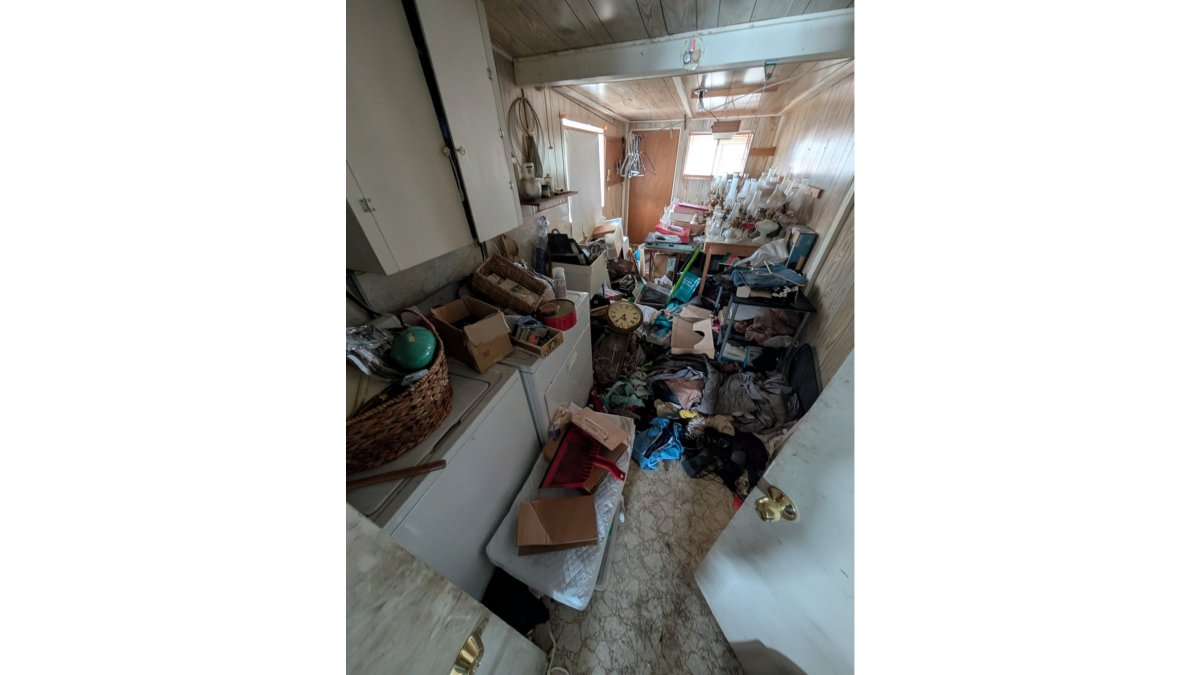
Clearing a house is heavy work, and you should not have to carry it alone.
Frequently Asked Questions
What happens to items that don’t sell at an estate sale?
Unsold estate sale items usually go one of four ways: donation to a charity, bulk sale to a reseller, recycling, or disposal. Before the sale ends, ask the estate sale company what their leftover policy is, since some bundle unsold goods into a single lot. If you handle it yourself, sort leftovers into donation-ready boxes and schedule a pickup for household items so nothing sits in the house for weeks.
Can you get a tax receipt for donated items from an estate?
Yes, if the donation goes to a qualified 501(c)(3) organization and you itemize deductions. Ask for a written receipt at drop-off or pickup showing the charity’s name and the date. Check current IRS guidance for written acknowledgment and appraisal requirements based on the value of your donations. Keep an inventory list with fair market values alongside your receipts.
What should you do with items that donation centers won’t accept?
Separate rejected items into recycling and disposal piles. Mattresses, broken appliances, paint, and chemicals usually fall outside donation guidelines. Check with your municipal waste program for hazardous waste disposal days, and use a recycling center for metal and electronics. For large volumes of furniture or bulky items, a full-service removal company can haul everything in one trip and route usable goods to donation partners.
How do you donate a large quantity of miscellaneous household items?
Start with an estate cleanout donation checklist and box items by category: clothing, kitchenware, linens, books, and small furniture. Call ahead to confirm the charity accepts bulk loads, since many thrift stores cap daily intake. For pickup service, most organizations schedule one to two weeks out and want items boxed and accessible near the door. If the volume is too large for a single charity, split it across two or three non-profits.